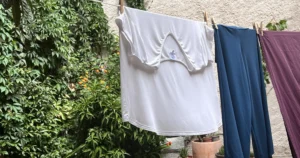
TAKE CARE OF YOUR CLOTHES WITH TRAN TRAN

We know you are concerned about the environmental impact of textile production. So are we.

The most effective way to reduce it is a responsible consumption, but another fundamental option is that the clothes we buy are durable. We are going to do everything we can to achieve this, but it is up to you to take care of them so that they have a very long life. In this article we will share useful information to achieve this.
Let’s first talk about fabrics…

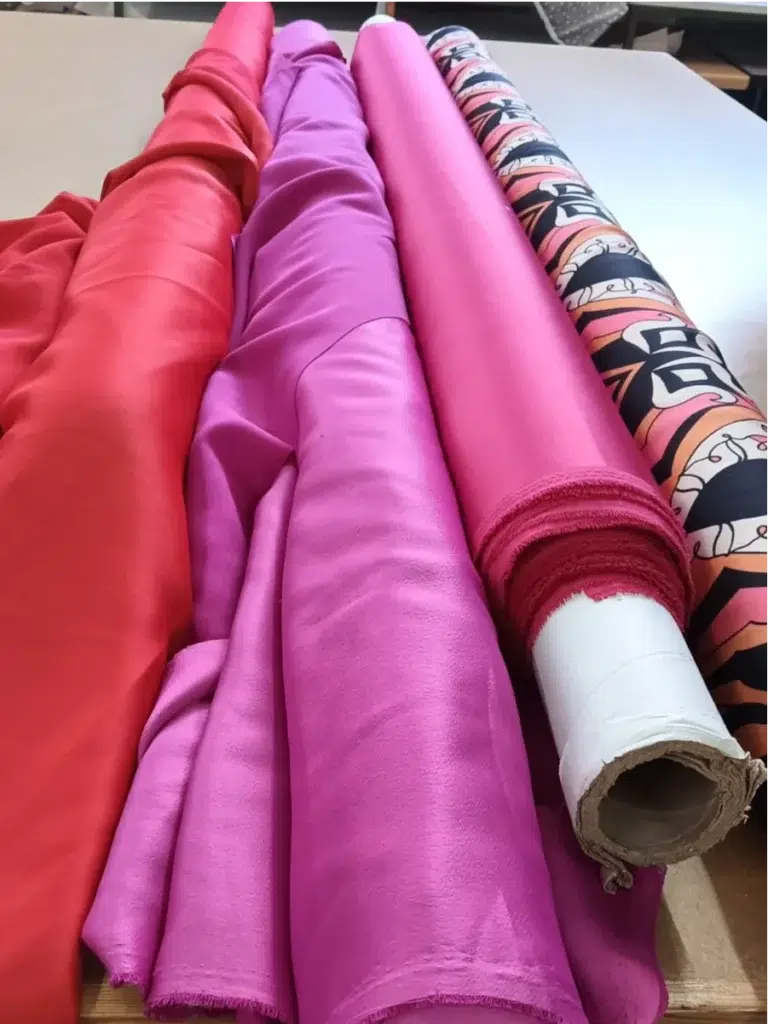
telas tran tran flamenco

NATURAL FABRICS

They come from vegetable fibers (such as cotton and linen) or animal fibers (such as wool and silk). They are more breathable, soft, comfortable and biodegradable. The only “drawback” (to say the least) is that they can shrink and wrinkle more easily.

SYNTHETIC FABRICS

Polyester, nylon, acrylic, elastane (lycra) etc. are manufactured from petroleum derivatives by chemical processes. Today we look at them with worse eyes, but they have specific properties for certain uses and if you buy a second-hand or circular economy garment, there is no reason to feel guilty. They can be very resistant, dry quickly and do not deform or wrinkle easily. But it is true that they are less breathable and can take centuries to decompose.

Different fibers are often mixed, including natural and synthetic fibers, to combine the best of both.

MAN-MADE FIBERS OF NATURAL ORIGIN

They are of natural origin, but require a chemical process to transform them into textile fibers. They are generally soft, light, breathable and have good moisture management. Many of them you already know:

FIBER

RAW MATERIALS

Rayon / viscose

Wood pulp

Modal

Beech

Lyocell (Tencel)

Eucalyptus

Bamboo

Bamboo cellulose

Cupro

Cotton by-products

Acetate and triacetate

Modified cellulose

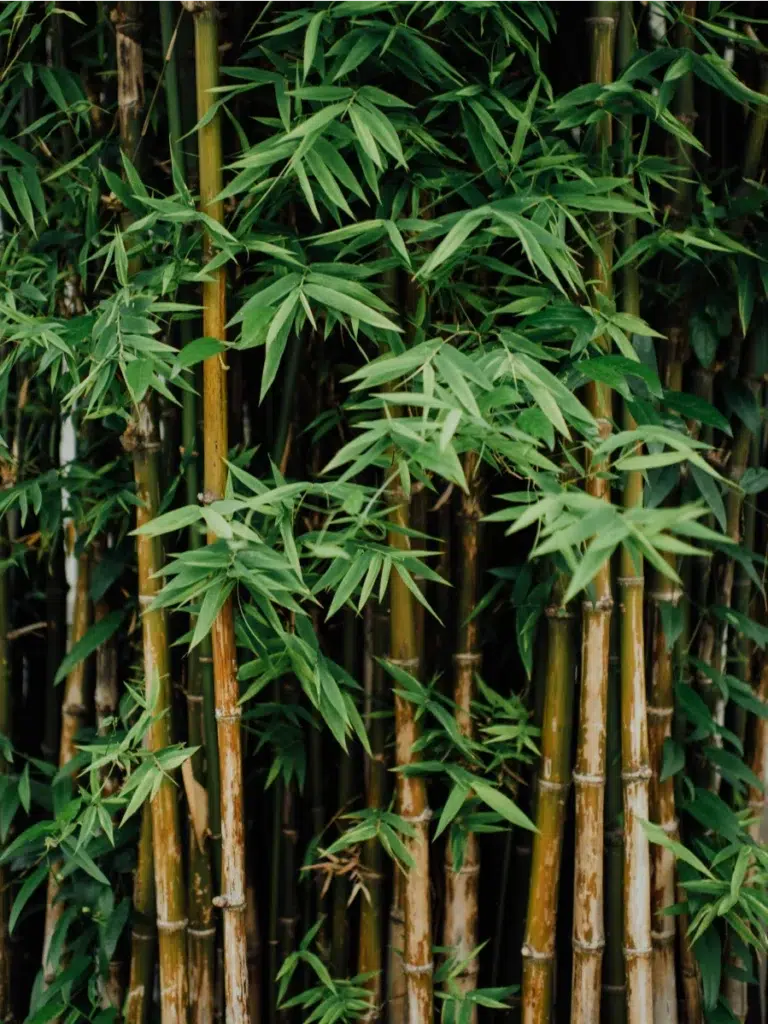
bambu camisetas tran tran flamenco

STATE-OF-THE-ART FIBERS

In its quest to improve fiber performance, the textile industry is constantly developing new fibers. They start from waste, incorporate technological advances and use processes that minimize environmental impact. Here are a few interesting examples:

FIBER

RAW MATERIALS

Piñatex

Pineapple leaves

Econyl

Recycled nylon from fishing nets

Repreve

Eucalyptus

Bananatex

Bamboo cellulose

AppleSkin

Cotton by-products

Orange Fiber

Modified cellulose

Desserto

Nopales cactus leaves

GENERAL CARE TIPS FOR ALL YOUR CLOTHES

  • Always read the label: It is the most important thing, the manufacturers specify the best treatment.
  • Separates by colors and fabrics when washing.
  • Forget the dryer. It can cause fabrics to shrink and deform. Fibers weaken, wear out and lose their natural softness. In addition, it can affect colors.
  • Do not use bleach or fabric softener. Prolonged use can cause fabrics to lose properties and cause negative effects, such as reducing the ability to absorb moisture or accumulate residues in the fibers.
  • Analyze the situation of the garment before choosing the program and the temperature of the washing machine. Even if the label allows it, often a gentle and cold program is more than enough. In any case, do not exceed 30º.
  • Use neutral detergent for fine or delicate fabrics.

EXTRA TIPS FOR NATURAL FABRICS

Wash your cotton and linen garments in cold or warm water. Linen prefers a gentle cycle. Silk should be hand washed or dry cleaned and not rubbed or twisted. Wool can be washed by hand, or on a wool cycle in cold water, and don’t forget to dry flat to avoid warping.

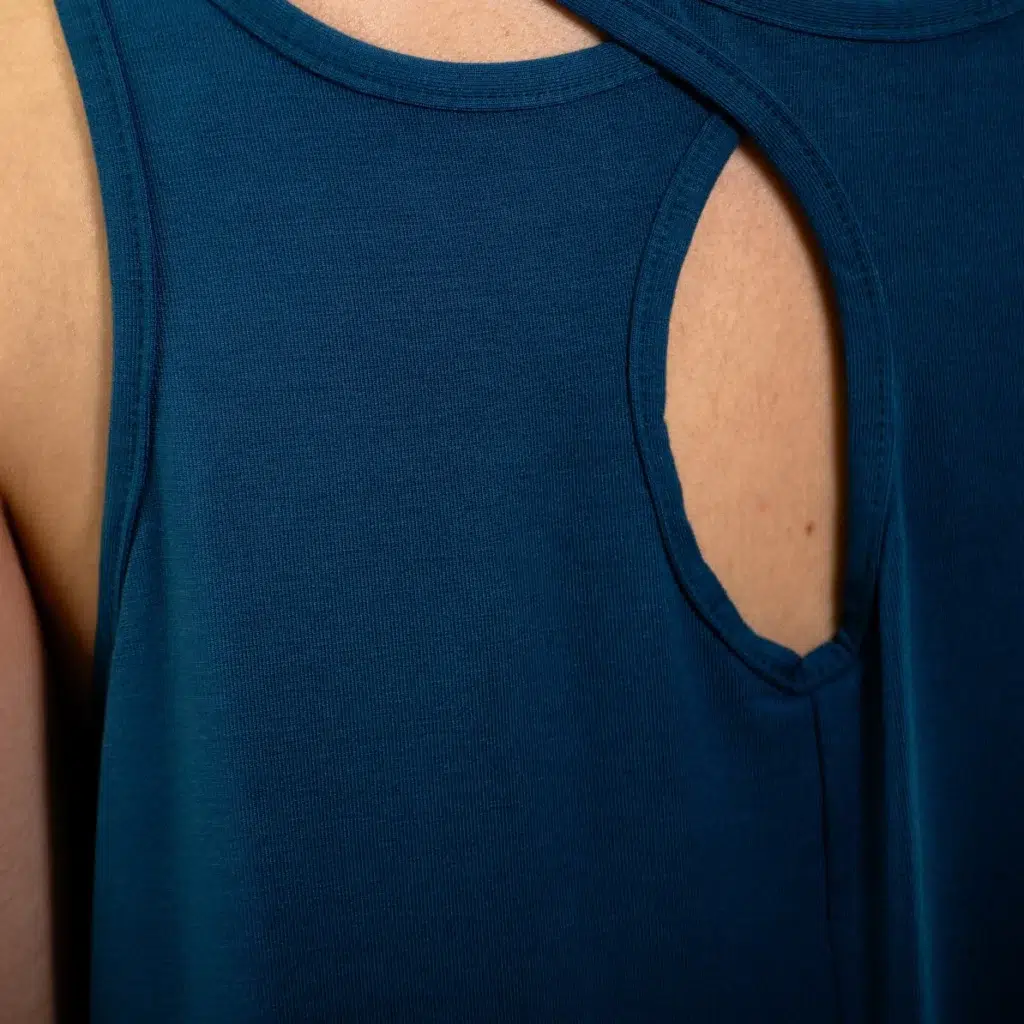
camiseta hani bambu tran tran flamenco

PLATE

Use low temperatures by default. If they are very resistant fabrics you can raise it progressively, but do not exceed 150º. Linen and cotton can be ironed while they are a little damp to make it easier, if necessary. And it is always better to use a cloth on top so as not to iron directly fine, delicate fabrics or those with ornaments (sequins or appliqués). Synthetic fabrics do not usually wrinkle, so it is preferable not to iron them.

REY DYEING ROOM

Your trusted dry cleaner is your best ally to extend the life of your favorite garments. They have the professional capacity, products and specialized technical means to treat each fabric safely and without damaging the garment.

Garments that you should always take to the dry cleaners:

  • Those made of water-sensitive fabrics (silk, fine wool, viscose).
  • Those with internal structures (shoulder pads, interlinings, linings) that can be deformed, such as jackets or vests.
  • Those with delicate decorations and finishes (lace, beading, embroidery, etc.).
  • Those where ironing is important.
  • Those with difficult stains.

For the rest of your clothes you can check the label to see if they can be washed at home and follow the manufacturer’s instructions. But no one better than them to advise you in case of doubt.

ADVISORY SERVICE FOR CUSTOMERS AND SUBSCRIBERS

Each Tran Tran garment has an inside label where you can see its composition and the care it needs. You will also find this information on our website, in the description of each product.

Thanks to the collaboration with Tintorería Rey, a family establishment with more than 50 years of experience in professional garment care, we offer an advisory service for our customers and subscribers.

If you have any doubt or you are facing a complicated stain, just contact us at info@trantrandance.com and we will tell you the best solution to take care of your clothes and extend their life.

With love, Miriam and Pilar

Últimas publicaciones

Skip to content